
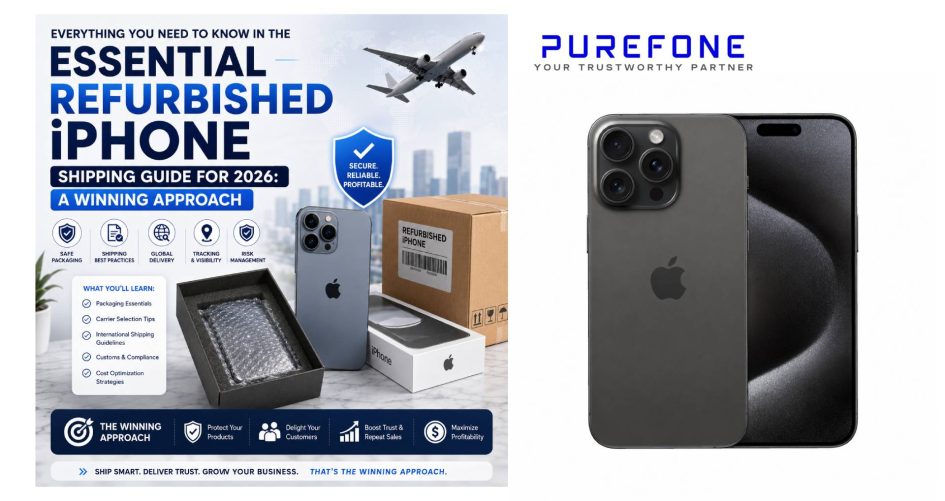
The landscape of secondary mobile markets is evolving rapidly, necessitating a robust refurbished iPhone shipping guide that addresses the complexities of modern wholesale trade. As we approach 2026, the demand for high-quality pre-owned devices continues to surge, driven by economic shifts and a growing emphasis on sustainability. For businesses engaged in the wholesale distribution of electronics, understanding the nuances of logistics is no longer just an operational detail but a competitive advantage. This guide serves as a definitive resource for navigating the intricacies of refurbished iPhone shipping, ensuring that inventory arrives safely, compliantly, and cost-effectively.
The wholesale sector requires a distinct approach compared to consumer logistics, involving larger volumes, stricter customs regulations, and a higher need for specialized handling. This refurbished iPhone shipping guide delves into the specific strategies that B2B buyers must employ to safeguard their investments. From mastering iPhone shipping tips that prevent transit damage to leveraging customization services that enhance brand value, the following sections provide a roadmap for success. By integrating these insights, businesses can streamline their supply chains and capitalize on the booming market for renewed technology.
1. Why the 2026 Refurbished iPhone Market Demands a New Shipping Strategy
1.1 Why Global Supply Chain Shifts Are Impacting Costs
The logistics network supporting the mobile electronics industry is undergoing a profound transformation as it heads into 2026, driven by geopolitical tensions and fluctuating fuel prices. Recent 2025 data indicates that air freight capacity has tightened, leading to a 12% increase in shipping costs for high-value electronics like iPhones compared to previous years. This volatility directly affects the bottom line for wholesale buyers, making it critical to develop a refurbished iPhone shipping strategy that is both resilient and adaptable. Businesses can no longer rely on static routing or traditional carriers without a flexible contingency plan, as delays have become more frequent across major trans-Pacific and Atlantic trade lanes.
Furthermore, the consolidation of major shipping carriers has reduced competitive pressure, allowing providers to dictate stricter terms regarding volume and frequency. For wholesalers of refurbished devices, this means that optimizing container space and consolidating shipments is more important than ever to maintain profitability. A strategic refurbished iPhone shipping guide must account for these macro-economic factors, advising buyers on how to hedge against rate spikes through long-term contracts or diversified logistics partnerships. Understanding these shifts allows businesses to forecast their landed costs more accurately and set competitive pricing in their respective markets.
The rise of nearshoring is also beginning to influence where refurbished iPhones are processed and shipped from, altering traditional flow patterns. As assembly and refurbishing hubs move closer to key consumer markets in North America and Europe, the logistics of moving raw materials and finished goods is changing. This shift offers an opportunity to reduce transit times and carbon footprints, aligning with the growing corporate demand for sustainable supply chain solutions. Adapting to this new geography requires a deep understanding of regional infrastructure and the ability to pivot quickly when new trade corridors open.
Finally, the cost of insurance premiums for high-value electronics cargo has risen in response to increased theft and piracy statistics reported in 2025. Ensuring that a refurbished iPhone shipping budget includes comprehensive coverage for these risks is a non-negotiable aspect of modern logistics planning. Wholesale businesses must scrutinize policy details to ensure coverage extends to the specific risks associated with used electronics, such as battery leakage or screen damage during rough handling. By proactively addressing these cost factors, companies can protect their margins and ensure a steady flow of inventory despite global uncertainties.
1.2 How Sustainability Regulations Are Changing Compliance
Sustainability has moved from a corporate buzzword to a strict regulatory requirement, significantly impacting how refurbished iPhone shipping operations are conducted globally. The European Union’s stringent directives on electronic waste and carbon emissions are setting a precedent that other regions are likely to follow by 2026. These regulations mandate that importers of electronic goods provide detailed proof of recyclability and adherence to environmental standards, adding layers of paperwork to the customs process. For wholesale buyers, this means that a refurbished iPhone shipping guide is incomplete without a thorough checklist of compliance requirements for each target market.
Packaging waste is under particular scrutiny, leading many countries to enforce strict laws on the materials used to protect goods during transit. Traditional plastics, such as Styrofoam and bubble wrap, are being banned or heavily taxed in favor of biodegradable alternatives like molded pulp and corn-based materials. Transitioning to these sustainable packaging options is not only a legal necessity but also a strong selling point for eco-conscious B2B buyers and end consumers. Incorporating these iPhone shipping tips into a logistics plan helps businesses avoid costly fines at the border and enhances their brand reputation as a responsible entity in the circular economy.
Carbon accounting is becoming another critical compliance pillar, with larger corporations requiring their supply chain partners to report the carbon footprint of inbound logistics. This pressure trickles down to wholesalers, who must now select shipping partners that utilize fuel-efficient fleets and offer carbon offset programs. Utilizing a refurbished iPhone shipping partner that provides transparent emissions data allows wholesalers to integrate these metrics into their own sustainability reports. This level of transparency is increasingly becoming a prerequisite for securing contracts with major retailers and enterprise clients who have committed to net-zero goals.
Moreover, the “Right to Repair” legislation gaining traction in various jurisdictions influences how devices must be prepared for international shipment. Customs officials are increasingly vigilant about ensuring that refurbished devices contain genuine, compliant parts and do not pose a safety hazard. As part of a robust refurbished iPhone shipping guide, businesses must document the repair history and parts origin for bulk shipments to facilitate smooth customs clearance. Staying ahead of these regulatory trends ensures that shipments are not delayed or seized, maintaining the cash flow and operational continuity essential for wholesale success.
1.3 Which Markets Are Seeing the Highest Growth in Demand
Identifying high-growth markets is essential for optimizing refurbished iPhone shipping routes and inventory allocation strategies as we move into 2026. Emerging economies in Southeast Asia, such as India and Vietnam, are experiencing explosive growth in smartphone penetration, yet price sensitivity remains high. This creates a perfect storm for the refurbished iPhone market, where demand for premium models like the iPhone 12 and 13 is outstripping supply. Statistics from late 2025 project a 20% year-over-year increase in refurbished imports within these regions, making them prime targets for wholesale expansion.
Latin America represents another burgeoning market, with countries like Brazil and Mexico showing a strong preference for Apple devices due to their high resale value and longevity. However, these markets often present complex logistical challenges, including volatile import duties and cumbersome bureaucratic procedures. A detailed refurbished iPhone shipping guide must include specific strategies for navigating these hurdles, such as utilizing free trade zones or partnering with local distributors who understand the regulatory landscape. Mastering these entry barriers allows wholesalers to tap into a customer base that is eager for affordable, high-quality technology.
The Middle East and Africa (MEA) region is also witnessing a significant uptick in demand, driven by a young demographic and a flourishing second-hand economy. In particular, the Gulf Cooperation Council (GCC) countries are becoming hubs for re-exporting refurbished electronics to neighboring African nations. This makes the region a strategic focal point for refurbished iPhone shipping, where establishing a central distribution hub can drastically reduce lead times and costs. iPhone shipping tips for this region often emphasize robust packaging to withstand extreme temperatures and humidity, ensuring devices arrive in functional condition.
Conversely, mature markets in North America and Western Europe continue to show steady demand, particularly for higher-tier refurbished models that cater to the premium segment. In these regions, the focus shifts from volume to quality and speed of delivery, as consumers and businesses alike expect near-instant fulfillment. Wholesalers serving these markets must prioritize air freight solutions and express courier services to meet these expectations. By balancing the high-volume potential of emerging markets with the high-margin opportunities in mature regions, businesses can create a diversified refurbished iPhone shipping strategy that maximizes global reach.
2. How to Optimize Refurbished iPhone Shipping for Wholesale Orders
2.1 How Bulk Packaging Reduces Per-Unit Costs
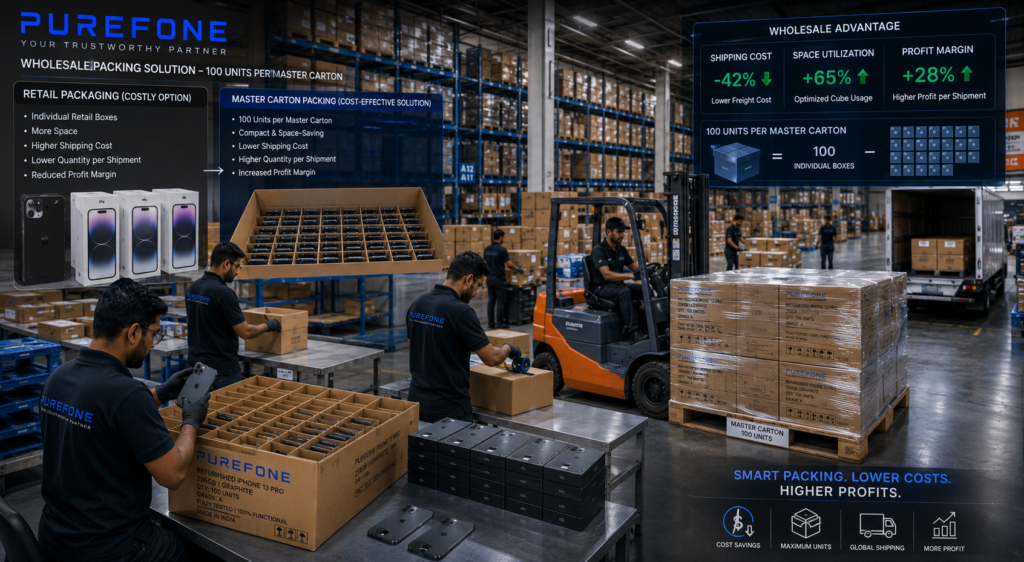
Optimizing packaging logistics is one of the most effective ways to drive down the per-unit cost of refurbished iPhone shipping for wholesale orders. Unlike individual consumer shipments which require excessive retail packaging, wholesale logistics allows for the consolidation of devices into bulk containers. Master cartons designed specifically for iPhone dimensions can accommodate upwards of 50 to 100 units, significantly reducing the material cost per device. This efficiency translates directly into savings on freight, as shipping a condensed pallet of iPhones is far more cost-effective than shipping the same number of units in individual boxes.
The structural integrity of bulk packaging plays a pivotal role in minimizing damages, which are a hidden cost in the refurbishment business. High-quality, double-walled corrugated cardboard dividers prevent devices from rubbing against each other, while shock-absorbing edges protect the carton during drops. Implementing these iPhone shipping tips ensures that the inventory arrives in “Grade A” condition, eliminating the need for costly repairs upon arrival. Investing in superior bulk packaging materials may have a slightly higher upfront cost, but the return on investment is realized through reduced rejection rates and higher customer satisfaction.
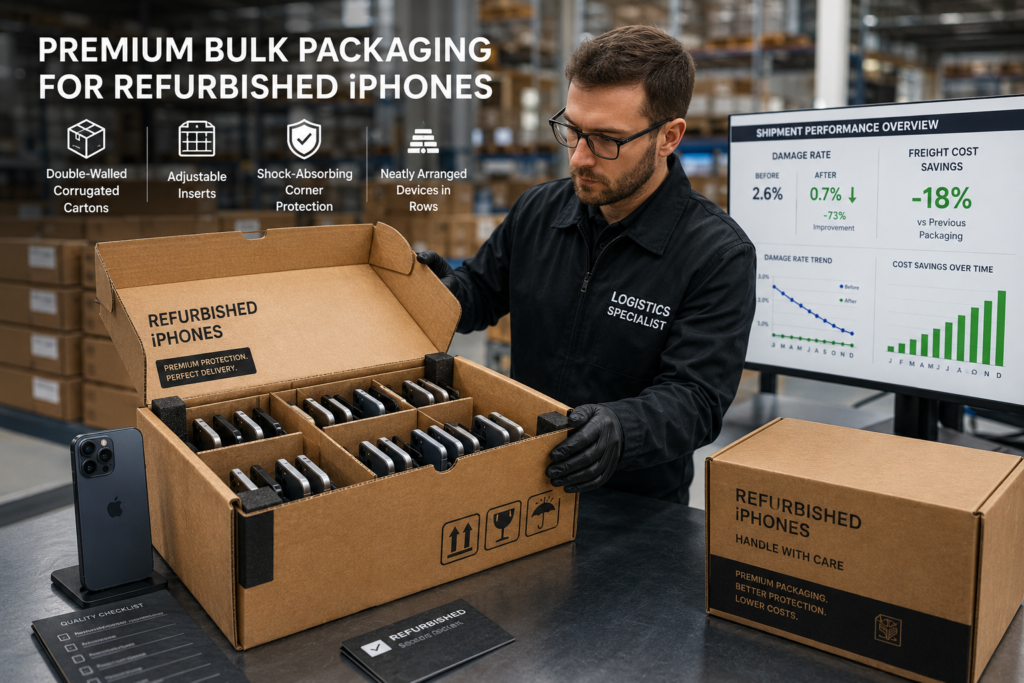
Standardizing box sizes across different iPhone models can further streamline the shipping process and reduce storage requirements. By using a uniform carton size that accommodates various models with the help of adjustable inserts, warehouses can optimize pallet stacking and maximize cube utilization during transport. This standardization is a key component of an efficient refurbished iPhone shipping guide, as it simplifies inventory management and reduces the time required for packing personnel. Operational efficiency gains of this nature are critical in the wholesale sector, where margins depend heavily on the speed and accuracy of fulfillment processes.
Furthermore, negotiated carrier rates are often based on volume and dimensional weight, making the reduction of packaging footprint a financial imperative. Lightweight yet strong bulk materials reduce the overall weight of the shipment, which can lead to significant savings over thousands of units. Wholesale buyers should work closely with their logistics providers to analyze the dimensional weight formulas used by different carriers and tailor their packaging accordingly. These strategic adjustments to refurbished iPhone shipping protocols can yield substantial cost savings that improve the overall profitability of the wholesale operation.
2.2 How Custom Branding Adds Value During Transit
In the competitive wholesale marketplace, refurbished iPhone shipping offers a unique opportunity to reinforce brand identity through custom packaging solutions. Custom branding transforms a standard logistics transaction into a marketing touchpoint, signaling professionalism and attention to detail to B2B buyers. Printed master cartons featuring a company logo, handling instructions, and QR codes for tracking create a cohesive brand experience that resonates with distributors and resellers. This level of customization distinguishes a wholesaler from competitors who may rely on generic, unmarked boxes, thereby adding intangible value to the service.
Beyond aesthetics, custom branding serves a functional purpose by improving the traceability and security of the shipment throughout the supply chain. Security seals with unique barcoding or tamper-evident tape provide an extra layer of protection against theft and counterfeiting, which are prevalent concerns in the electronics trade. A sophisticated refurbished iPhone shipping guide will recommend the integration of these security features as a standard practice for high-value wholesale orders. These measures build trust with buyers, assuring them that the inventory has remained secure and untouched from the point of departure to arrival.
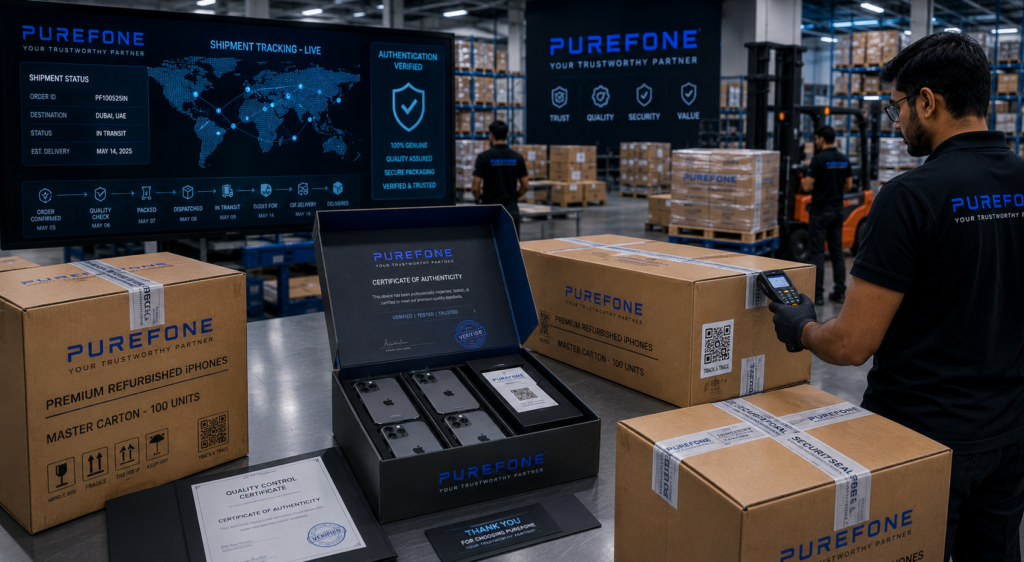
Customization also extends to the internal organization of the packaging, where branded accessories or inserts can be included to enhance the unboxing experience for the end-reseller. For instance, including a certificate of authenticity or a quality control checklist within each master carton reinforces the perceived value of the refurbished iPhones. These iPhone shipping tips are particularly effective when dealing with premium refurbishers who demand assurance of quality control. By curating the contents of the shipment, wholesalers can foster stronger relationships with their partners and encourage repeat business.
The adaptability of custom packaging allows wholesalers to cater to the specific branding requirements of large retail partners or enterprise clients. White-label shipping options, where the refurbisher’s branding takes precedence, can be a decisive factor in securing major contracts. This flexibility demonstrates a willingness to accommodate the specific needs of B2B clients, a trait highly valued in the wholesale ecosystem. As refurbished iPhone shipping continues to evolve, the ability to offer bespoke packaging solutions will become an increasingly important differentiator in securing and retaining high-value accounts.
2.3 How to Choose Between Air and Sea Freight for Large Batches
The decision between air and sea freight is a critical strategic choice in any refurbished iPhone shipping guide, as it involves balancing speed against cost. Air freight is the preferred option for time-sensitive shipments or high-value, low-volume orders where carrying costs are a major consideration. With the typical transit time ranging from 1 to 3 days, air freight allows wholesalers to respond quickly to sudden spikes in demand or to replenish fast-depleting stock. However, this speed comes at a premium, often costing four to five times more than sea freight, which necessitates a careful calculation of margin erosion.
Sea freight, on the other hand, is the backbone of cost-effective refurbished iPhone shipping for large wholesale batches involving hundreds or thousands of units. While the transit time can extend to 30 or 40 days depending on the origin and destination, the economies of scale are unmatched. Shipping a 40-foot container of iPhones reduces the per-unit freight cost to a fraction of the air freight rate, significantly boosting the potential profit margin. This method is best suited for inventory planning where orders are placed well in advance of peak selling seasons, such as the back-to-school or holiday periods.
Hybrid shipping strategies are emerging as a smart compromise, utilizing sea freight for the main leg of the journey and air freight for the final “last mile” or urgent replenishment. Additionally, utilizing expedited sea services, which are faster than standard container shipping but cheaper than air, offers a middle ground for refurbished iPhone shipping. iPhone shipping tips for 2026 suggest leveraging data analytics to predict demand more accurately, thereby allowing wholesalers to commit to the longer lead times of sea freight without risking stockouts. This data-driven approach minimizes the need for expensive emergency air shipments.
Reliability and predictability are also factors that must be weighed, as port congestion can disrupt sea freight schedules, as seen during the logistical crises of previous years. While air freight is generally more reliable regarding schedule adherence, it is also more susceptible to capacity constraints during peak seasons. A comprehensive refurbished iPhone shipping guide advises maintaining a diversified logistics portfolio, utilizing both modes of transport to mitigate risk. By spreading shipments across air and sea, wholesalers can ensure business continuity regardless of disruptions affecting any single transportation mode.
3. Which iPhone Shipping Tips Ensure Device Safety and Integrity
3.1 Which Protective Materials Best Prevent Transit Damage
Ensuring the physical integrity of refurbished devices during transit is paramount, and selecting the right protective materials is the first line of defense. Standard bubble wrap is often insufficient for the heavy handling associated with bulk refurbished iPhone shipping, where boxes may be stacked several pallets high. Instead, anti-static foam inserts that contour to the shape of the iPhone provide superior shock absorption and protection against electrostatic discharge (ESD). These materials are crucial for preserving the functionality of sensitive internal components, ensuring that the devices power on without issue upon arrival.
Edge guards and corner protectors are essential iPhone shipping tips for reinforcing the structural integrity of master cartons. The corners of a box are the most vulnerable points during impact, and reinforcing them can prevent the crushing of the internal contents. Heavy-duty polyethylene strapping applied around the master cartons adds an extra layer of security, preventing the box from bursting open under pressure. These measures are particularly important for sea freight, where containers may encounter rough seas and shifting cargo that subjects boxes to significant G-forces.
Moisture control is another critical aspect of protective packaging, especially for refurbished iPhone shipping routes that pass through humid climates or involve sea transport. Silica gel desiccants placed inside each master carton absorb excess moisture, preventing the formation of condensation that can damage screens and corrode internal circuitry. For shipments traveling across tropical regions, vacuum-sealed barrier bags provide the ultimate protection against humidity and salt spray. These environmental controls are vital for maintaining the “Grade A” cosmetic and functional standards expected by wholesale buyers.
Furthermore, the use of suspension packaging systems, which “float” the device within the box, can virtually eliminate damage caused by drops and impacts. While more costly than traditional packing materials, the reduction in warranty claims and returns can justify the investment for high-value batches. A thorough refurbished iPhone shipping guide emphasizes that the cost of protective materials is negligible compared to the cost of a damaged iPhone. By prioritizing the structural and environmental protection of the inventory, wholesalers can ensure that their products arrive in pristine condition, ready for immediate resale.
3.2 How to Implement Quality Control Before Dispatch
Quality control (QC) must extend beyond the technical refurbishment process to include a pre-shipment inspection specifically focused on refurbished iPhone shipping readiness. This final QC stage involves a rigorous check of the device’s physical condition to ensure it can withstand the rigors of transit. Technicians should verify that there are no loose components, such as a wobbly screen or a loose SIM tray, which could be dislodged during vibration and movement. Catching these mechanical defects before packing prevents them from turning into major functional failures during delivery.
Visual inspections should also cover the cosmetic aspects of the device, ensuring that the protective film applied to the screen is free of bubbles and securely attached. This attention to detail is a hallmark of professional iPhone shipping tips, as it ensures the device looks brand new when unboxed by the wholesale buyer. Additionally, the battery charge level should be checked to ensure it complies with international air safety regulations, which typically prohibit batteries with more than 30% charge on passenger flights. Compliance with these safety standards is non-negotiable for avoiding delays and fines at cargo terminals.
The packaging process itself should be integrated into the QC workflow, with random audits of packed boxes to ensure correct procedures are followed. This includes verifying that the correct model and grade are in the box, that sufficient cushioning is used, and that the correct documentation is attached. By treating refurbished iPhone shipping as part of the quality assurance continuum, businesses can significantly reduce the rate of returns and disputes. This systematic approach builds a reputation for reliability and accuracy, which is invaluable in the wholesale B2B sector.
Finally, documenting the QC process with photographs and digital records creates a paper trail that can be invaluable in the event of a damage claim. If a wholesale batch arrives with issues, having proof of the devices’ condition prior to dispatch facilitates a faster resolution with insurance carriers. A robust refurbished iPhone shipping guide will always include protocols for documentation and accountability at every stage of the logistics chain. This level of diligence not only protects the business financially but also provides peace of mind to buyers that they are receiving a product that has been handled with the utmost care.
3.3 Why Insurance is Non-Negotiable for High-Value Shipments
The high resale value of iPhones, combined with the risks inherent in international logistics, makes comprehensive insurance a mandatory component of refurbished iPhone shipping. Cargo insurance protects the financial investment against a wide array of perils, including physical damage, theft, and total loss due to vessel sinking or plane crashes. Given that a single pallet of refurbished iPhones can be worth tens of thousands of dollars, operating without insurance is a gamble that no prudent wholesale business should take. The premium cost, typically a small percentage of the declared value, is a small price to pay for complete financial security.
Standard carrier liability often covers only a minimal amount per kilogram of weight, which is woefully inadequate for high-value electronics like smartphones. Without additional insurance, a business could recover only a fraction of the device’s worth in the event of loss or damage. iPhone shipping tips for 2026 stress the importance of purchasing “all-risk” coverage tailored specifically to electronics, which covers incidents like mishandling by customs or unauthorized access to containers. This specialized coverage ensures that the wholesaler is made whole and can quickly recover from a logistical setback.
The process of filing a claim requires meticulous documentation, including a commercial invoice, packing list, bill of lading, and evidence of damage or loss. A comprehensive refurbished iPhone shipping guide advises maintaining these records in an accessible digital format to expedite the claims process. In the fast-paced world of wholesale electronics, cash flow is king, and delays in insurance reimbursement can cripple operations. Therefore, selecting a reputable insurance provider with a track record of quick and fair claims settlement is as important as selecting the shipping carrier itself.
Furthermore, insurance coverage should be reviewed and updated regularly to reflect changes in inventory value and shipping routes. As the value of newer iPhone models rises or as businesses expand into riskier markets, their insurance needs will evolve. Proactively managing these risks ensures that the refurbished iPhone shipping strategy remains resilient against unforeseen events. By treating insurance as a strategic asset rather than a grudge purchase, wholesalers safeguard their long-term viability and build trust with their partners by guaranteeing financial compensation for any logistical mishaps.
4. Why Customization Services Can Enhance the Shipping Experience
4.1 Why Kitting and Assembly Save Time for Resellers
Kitting and assembly services represent a significant value-add in the refurbished iPhone shipping process, directly benefiting wholesale resellers by reducing their operational workload. Instead of receiving a box of loose phones and a separate shipment of accessories, resellers can receive a “ready-to-sell” package that includes the device, a charging cable, a wall adapter, and a user manual. This consolidation, known as kitting, saves resellers countless hours that would otherwise be spent on manual assembly in their own warehouses. In an industry where time-to-market is critical, this efficiency can be a decisive competitive advantage.
For B2B clients, particularly those with limited warehousing capabilities or labor resources, kitting eliminates a significant bottleneck in their supply chain. By outsourcing the assembly process to the wholesaler or refurbisher, they can streamline their receiving procedures and move products directly to sales floors or distribution centers. A sophisticated refurbished iPhone shipping guide highlights kitting as a premium service that differentiates a supplier from commodity brokers. It transforms the supplier relationship from a simple transaction to a strategic partnership that adds tangible operational value.
Custom kitting also allows for the creation of unique product bundles that can help resellers move inventory more effectively. For example, a wholesaler could bundle a refurbished iPhone with a protective case and screen protector at a preferential price point. These iPhone shipping tips enable resellers to offer attractive packages to their end customers without having to source and assemble the components themselves. The convenience of receiving pre-assembled bundles encourages larger order volumes and fosters stronger loyalty among wholesale buyers.
Moreover, kitting reduces the overall shipping volume and weight by optimizing how items are packed together, potentially lowering freight costs for the reseller. Efficiently packed kits take up less space than separate items, allowing more product to fit onto a pallet or in a shipping container. This optimization of logistics efficiency is a key selling point for refurbished iPhone shipping services aimed at high-volume wholesale clients. By handling the assembly upstream, wholesalers provide a turnkey solution that maximizes efficiency and profitability for everyone in the distribution chain.
4.2 How Localized Packaging Improves Market Reception
Localization goes beyond simple translation; it involves adapting the packaging to meet the cultural, linguistic, and regulatory expectations of the target market. In the context of refurbished iPhone shipping, providing localized packaging materials—such as boxes, instruction manuals, and warranty cards in the local language—significantly enhances the end-user experience. For a reseller in Germany or Japan, receiving products with English-only packaging creates additional work and can cheapen the perceived value of the product. Localized packaging removes this friction, allowing the reseller to present the product as a premium, domestic offering.
Understanding regional aesthetic preferences is another crucial aspect of localization. Some markets prefer minimalist, eco-friendly packaging, while others respond better to bold, colorful designs that highlight the specifications of the device. iPhone shipping tips for global distribution emphasize the importance of researching these preferences and tailoring the packaging accordingly. A refurbished iPhone shipping guide that incorporates localization strategies demonstrates a deep understanding of global markets, positioning the wholesaler as a knowledgeable and capable partner. This attention to detail can significantly boost the resale value of the inventory.
Regulatory compliance often dictates specific labeling requirements, such as energy efficiency ratings, recycling symbols, or safety warnings. Ensuring that these labels are pre-applied to the packaging saves the reseller from having to apply them manually or, worse, facing penalties for non-compliance. This proactive approach to regulatory adherence is a hallmark of professional refurbished iPhone shipping services. It reduces the risk of goods being held up at customs or rejected by retailers, ensuring a smooth flow of inventory from the wholesaler to the end consumer.
Furthermore, localized packaging can include region-specific accessories, such as power plugs that match the local outlet configuration. This level of customization eliminates the need for resellers to source adapters separately, further enhancing the convenience of the service. By anticipating and meeting the specific needs of different markets, wholesalers can strengthen their brand presence internationally. Effective refurbished iPhone shipping is not just about moving devices; it is about delivering a product that feels native to its destination, thereby increasing its marketability and acceptance.
4.3 Which Software Configurations Should Be Pre-Loaded
While the physical aspects of refurbished iPhone shipping are often the primary focus, software configuration is an equally critical component of the product offering. Pre-loading the devices with the correct iOS version for the target market ensures compatibility with local networks and apps. For instance, some regions may require specific security patches or carrier settings updates to function optimally. A forward-thinking refurbished iPhone shipping guide includes protocols for software staging, ensuring that devices are not only wiped clean but also updated to the most stable and relevant firmware version before dispatch.
Language settings are another important consideration for software customization. Setting the default language of the device to the official language of the destination market saves the end-user time and improves the out-of-the-box experience. For wholesale buyers distributing to diverse linguistic regions, offering to pre-configure language settings is a valuable service. These iPhone shipping tips demonstrate a commitment to customer satisfaction that goes beyond the hardware. It reduces the technical burden on the reseller and allows them to offer a more user-friendly product to their clients.
For B2B clients managing corporate fleets, pre-loading specific mobile device management (MDM) profiles or essential business apps can be a game-changer. This “white-glove” software service transforms a generic refurbished iPhone into a ready-to-deploy business tool. By integrating these configurations into the refurbished iPhone shipping process, wholesalers can tap into the lucrative enterprise and education sectors. This level of customization requires close collaboration with the client to understand their specific software ecosystem and security requirements.
Finally, ensuring that the device is fully unlocked and carrier-free is a fundamental requirement for global wholesale trade. A rigorous check of the IMEI status against international blacklists and carrier databases is essential to prevent the shipment of locked devices. A detailed refurbished iPhone shipping guide must emphasize the importance of software transparency, providing full reports on the lock status and iCloud status of every unit. By guaranteeing the software integrity of the devices, wholesalers build trust and mitigate the risk of costly returns and disputes in the wholesale market.
5. How to Navigate International Regulations and Customs
5.1 How to Handle E-Waste Documentation Cross-Border
Navigating the complex web of e-waste regulations is a critical aspect of refurbished iPhone shipping, as cross-border trade in electronics is heavily scrutinized to prevent illegal dumping. Many countries, particularly in the EU and Africa, require specific documentation proving that the imported devices are functional and intended for reuse rather than recycling. This often involves a “Proof of Reuse” or “Used Electronics Testing Report” that certifies the operational status of each batch. A comprehensive refurbished iPhone shipping guide provides templates and guidelines for generating these documents to ensure compliance with international treaties like the Basel Convention.
The distinction between “non-hazardous used electronics” and “waste” is often razor-thin and subject to the interpretation of customs officials in different jurisdictions. Misclassification can lead to severe penalties, including the seizure of goods and heavy fines. Wholesale shippers must be intimately familiar with the Harmonized System (HS) codes that apply to refurbished phones, which differ from those for new phones or electronic waste. iPhone shipping tips for 2026 recommend engaging with customs brokers who specialize in electronics to navigate these classification challenges and ensure that all paperwork accurately reflects the quality and intent of the shipment.
Transparency in the documentation is paramount; hiding defects or shipping a percentage of non-functioning units within a batch can trigger a full inspection and potential blacklisting of the exporter. High-quality control processes, as discussed earlier, directly support the documentation requirements by providing the data needed to certify functionality. For refurbished iPhone shipping, maintaining a digital trail of test results for each device can expedite the customs clearance process and serve as evidence of compliance. This rigorous documentation protects the business from legal liabilities and reinforces its reputation as a legitimate operator in the circular economy.
Furthermore, certain countries require registration with environmental agencies prior to importing electronics, adding another layer of administrative overhead. A proactive approach to refurbished iPhone shipping involves researching these requirements well in advance of the shipment date and securing all necessary permits. Failure to comply with these pre-arrival requirements is a common cause of shipment delays and demurrage charges at ports. By staying ahead of regulatory changes and maintaining meticulous records, wholesalers can ensure the smooth and legal movement of their inventory across international borders.
5.2 Why Harmonized System (HS) Codes Matter for Clearance
The Harmonized System (HS) code is the universal standard for classifying traded products, and selecting the correct code is vital for the successful customs clearance of refurbished iPhone shipping. Incorrect coding can lead to a host of problems, including underpayment of duties (which results in fines) or overpayment (which erodes profit margins). Refurbished iPhones typically fall under specific HS codes that denote “used” or “reconditioned” telephones, which may carry different duty rates than new devices. A precise refurbished iPhone shipping guide will provide the exact codes required for major trading partners, helping to avoid costly classification errors.
Customs authorities use HS codes to assess risk and determine which shipments require physical inspection. A shipment coded incorrectly is a red flag, often leading to delays that can disrupt inventory flow. Experienced iPhone shipping tips include verifying that the commercial invoice and the packing list both reference the correct HS code consistently. Consistency in documentation reduces the likelihood of queries from customs officers and facilitates a faster release of goods. In the fast-moving mobile electronics market, these delays can mean the difference between capitalizing on a trend and missing the market window entirely.
The complexity increases when shipping accessories alongside the devices, as cables, chargers, and headphones have their own distinct HS codes. Refurbished iPhone shipping often involves kitting, as previously discussed, which requires understanding the rules of “essential character” for classification purposes. Determining whether the kit is taxed based on the value of the phone or the accessories requires specialized knowledge. Wholesale businesses must ensure their logistics partners are adept at interpreting these rules to optimize duty payments and ensure compliance.
Trade agreements between countries can also affect the duty rates associated with specific HS codes, offering significant savings for qualified shipments. For example, if a trade agreement reduces tariffs on used electronics between two nations, using the correct HS code is the only way to claim this benefit. A strategic approach to refurbished iPhone shipping involves monitoring these trade negotiations and adjusting classification strategies to take advantage of preferential rates. This attention to detail in customs documentation directly impacts the bottom line, making it a critical competency for any international wholesaler.
5.3 How to Mitigate Delays at Major Ports
Port congestion is a perennial challenge in global logistics, and mitigating its impact is essential for timely refurbished iPhone shipping. The backlog at major hubs like Los Angeles, Rotterdam, and Singapore can add weeks to transit times, disrupting inventory planning. Strategies to mitigate these delays include using less congested alternative ports, known as “ports of convenience,” and utilizing ground transportation to bridge the final mile. A savvy refurbished iPhone shipping guide will map out these alternative routes, providing options that bypass the bottlenecks of the primary gateways.
Building strong relationships with freight forwarders who have “preferred carrier” status can also help prioritize shipments during peak congestion. These forwarders often have access to priority berths and dedicated container slots that general freight does not. iPhone shipping tips for 2026 emphasize the value of these partnerships in ensuring that high-value, time-sensitive inventory moves to the front of the queue. While this service may come at a premium, the cost is often justified by the reduction in inventory carrying costs and the ability to meet customer delivery deadlines.
Advance documentation is another powerful tool for preventing customs-related delays at the port. Submitting all required paperwork—including the manifest, commercial invoice, and packing list—electronically prior to the vessel’s arrival allows customs authorities to pre-clear the shipment. This “pre-clearance” strategy is a hallmark of efficient refurbished iPhone shipping, ensuring that the cargo can be offloaded and released immediately upon arrival. Delays often stem from paperwork discrepancies that are only identified once the goods are already sitting at the dock, incurring storage charges.
Finally, maintaining buffer stock in strategic regional warehouses can act as an insurance policy against port delays. If a shipment is held up for two weeks, having local inventory allows the wholesaler to continue fulfilling orders without interruption. This demand planning approach is a sophisticated element of a refurbished iPhone shipping guide, transforming logistics from a reactive function into a strategic asset. By diversifying entry points, leveraging carrier relationships, and utilizing advanced documentation, wholesalers can navigate the complexities of port operations and ensure reliable delivery to their B2B clients.
Conclusion
Mastering the logistics of refurbished iPhone shipping is a multifaceted endeavor that requires a strategic blend of technical knowledge, regulatory compliance, and customer-centric service. As the market for refurbished devices continues its trajectory toward 2026, the wholesalers who succeed will be those who view shipping not merely as a cost center, but as a value-added component of their business proposition. By implementing the iPhone shipping tips and strategies outlined in this guide—ranging from bulk packaging optimization and customization to rigorous quality control and savvy customs navigation—businesses can build a resilient supply chain that drives growth and profitability.
The future of the secondary mobile market belongs to those who can ensure that the right product gets to the right place at the right time, in perfect condition. This refurbished iPhone shipping guide serves as a blueprint for achieving that operational excellence. We invite you to partner with us to leverage these insights and elevate your wholesale operations. Contact our team today to discuss how we can tailor our shipping and customization solutions to meet your specific business needs and help you capitalize on the booming demand for refurbished technology.
Frequently Asked Questions
1. How can I reduce costs when using a refurbished iPhone shipping guide for wholesale orders?
To minimize costs in refurbished iPhone shipping, focus on optimizing packaging density and selecting the right freight mode. Utilizing bulk master cartons that maximize cube utilization allows you to ship more units per pallet, reducing the per-unit freight cost. Additionally, distinguishing between high-priority and standard inventory allows you to reserve expensive air freight for urgent orders while using sea freight for bulk stock. Negotiating long-term contracts with logistics providers based on projected volume can also secure favorable rates, ensuring your refurbished iPhone shipping strategy remains profitable.
2. What are the most effective iPhone shipping tips to prevent transit damage?
The most effective iPhone shipping tips center on using high-quality, protective materials specifically designed for electronics. Avoid generic packing peanuts and opt for anti-static foam inserts and edge guards that absorb shock. It is crucial to immobilize the device within the box to prevent screen contact with other items. For wholesale batches, using double-walled corrugated master cartons with heavy-duty strapping prevents crushing. Incorporating moisture absorbers like silica gel is also vital to protect internal components from humidity during long-haul refurbished iPhone shipping.
3. Why is cargo insurance non-negotiable in refurbished iPhone shipping?
Cargo insurance is essential because standard carrier liability limits are often insufficient to cover the high resale value of smartphones. In the event of theft, loss, or severe damage during refurbished iPhone shipping, the financial loss could be devastating without comprehensive coverage. An “all-risk” insurance policy protects your investment against specific perils associated with electronics, such as mishandling or piracy. As outlined in any thorough refurbished iPhone shipping guide, this small premium ensures business continuity and protects your bottom line against unforeseen logistical disasters.
4. How do e-waste regulations affect international refurbished iPhone shipping?
E-waste regulations, such as the Basel Convention, strictly control the cross-border movement of electronic waste to prevent illegal dumping in developing countries. For refurbished iPhone shipping, this means you must provide proof that the devices are functional and intended for reuse, not recycling. You may need a “Used Electronics Testing Report” or a “Proof of Reuse” declaration to clear customs. Non-compliance can lead to shipment seizures and heavy fines, making it critical to stay updated on the specific documentation requirements of the destination country in your refurbished iPhone shipping guide.
5. What is the difference between air freight and sea freight for wholesale iPhone shipments?
Air freight is the fastest option for refurbished iPhone shipping, typically taking 1 to 3 days, making it ideal for time-sensitive or high-value, low-volume orders. However, it is significantly more expensive. Sea freight is the most cost-effective method for large wholesale batches, offering the lowest per-unit cost, but transit times can range from 30 to 40 days. iPhone shipping tips for 2026 suggest using a hybrid approach: utilizing sea freight for inventory planning and air freight only for emergency replenishments to balance speed and cost effectively.
6. Can I get custom branding on my wholesale refurbished iPhone shipments?
Yes, custom branding is a highly effective way to enhance your B2B relationships and add value to your product. Wholesale suppliers can offer custom-printed master cartons, branded poly bags, and even specialized inserts like certificates of authenticity. According to any advanced refurbished iPhone shipping guide, utilizing white-label or branded packaging helps resellers market the products more easily in their local regions. This service differentiates your offer from generic suppliers and builds brand recognition throughout the supply chain.
7. What are the battery safety requirements for refurbished iPhone shipping?
Lithium-ion batteries are classified as dangerous goods, making compliance a critical part of refurbished iPhone shipping. For air freight, regulations (such as IATA) generally require that batteries be installed in the device and have a charge of less than 30%. Shipments must be properly labeled with the specific lithium battery handling labels and accompanied by a Material Safety Data Sheet (MSDS) or dangerous goods declaration. Adhering to these safety protocols ensures the safety of transport personnel and prevents costly delays or rejections at the airport.
8. How can kitting services improve my refurbished iPhone shipping process?
Kitting services involve bundling the iPhone with accessories like chargers, cables, and earphones into a single retail-ready package before shipping. This strategy saves significant time and labor for resellers who would otherwise have to assemble these packages themselves. A robust refurbished iPhone shipping guide will recommend kitting to reduce the overall dimensional weight of the shipment and streamline the receiving process. By receiving “ready-to-sell” inventory, your B2B clients can get products to market faster, increasing their satisfaction and likelihood of reordering.
9. What documentation is essential for smooth customs clearance of refurbished phones?
To avoid delays, your refurbished iPhone shipping documentation must be accurate and complete. Essential documents include a Commercial Invoice detailing the transaction value, a Packing List specifying the quantity and description of goods, and a Bill of Lading or Airway Bill. You must also ensure the correct Harmonized System (HS) codes are used to designate “used” or “reconditioned” phones. Providing a “Certificate of Origin” can also help if trade agreements apply. Accurate paperwork is the cornerstone of the iPhone shipping tips provided in this guide to prevent customs holds.
10. What 2026 trends should I look for in a refurbished iPhone shipping guide?
As we approach 2026, the biggest trends in refurbished iPhone shipping include a shift toward nearshoring to reduce transit times and stricter sustainability regulations. Expect increased requirements for eco-friendly packaging materials and detailed carbon footprint reporting. Additionally, digitalization of logistics—using blockchain for transparent tracking and AI for route optimization—will become standard. Staying ahead of these trends and integrating them into your logistics planning will ensure your wholesale business remains competitive and compliant in the evolving global market.


