
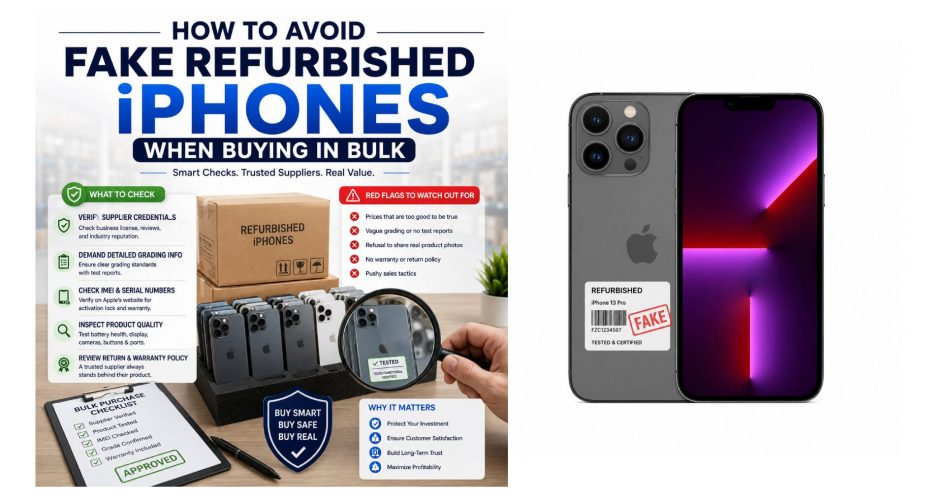
The secondary mobile device market is experiencing unprecedented growth, driven by corporate sustainability goals and consumer demand for high-value, cost-effective technology. For wholesalers and B2B buyers, the iPhone remains the crown jewel of inventory, offering high resale margins and consistent global demand. However, this lucrative opportunity attracts sophisticated counterfeit operations that mix low-quality components with authentic-looking exteriors. To avoid fake refurbished iPhones, businesses must adopt strict sourcing, inspection, and authentication procedures throughout the procurement process. Navigating this landscape requires more than just a keen eye; it demands a systemic approach to procurement and verification. Understanding the current state of the market is the first step in protecting investment and ensuring business continuity.
As global supply chains tighten, the pressure to secure bulk inventory often leads buyers to compromise on due diligence, resulting in the inadvertent purchase of counterfeit devices. The financial repercussions of acquiring fake inventory extend beyond the immediate loss of capital, potentially damaging a company’s reputation and eroding client trust. To safeguard operations, businesses must implement rigorous vetting processes that prioritize quality over speed. This guide provides a comprehensive framework for identifying high-quality stock, ensuring that every dollar spent contributes to a profitable and sustainable inventory model.
1. Why the Bulk Market for Refurbished iPhones is Riddled with Risks in 2025
The demand for refurbished electronics has surged in 2025, with the market projected to grow by nearly 15% year-over-year as enterprises prioritize cost efficiency and circular economy principles. This rapid expansion has created a fertile ground for fraudulent activities, as the gap between supply and demand incentivizes unscrupulous vendors to pass off substandard replicas as premium refurbished units. In the wholesale sector, where transactions often involve large quantities of sealed or boxed items, the risk of acquiring “Frankenstein” phones—devices assembled from counterfeit shells and stolen or low-grade logic boards—has never been higher.
These devices often appear authentic at a glance but suffer from critical hardware failures that render them worthless to the end consumer. To avoid fake refurbished iphones, wholesalers must implement rigorous verification processes before committing to large-volume purchases.
Counterfeiters have become increasingly sophisticated, utilizing advanced manufacturing techniques to replicate the weight, texture, and even the startup interface of genuine Apple products. In the wholesale context, buyers often cannot power on every unit in a bulk lot before purchase, which is a vulnerability that bad actors exploit to mix in fake devices. The complexity of the iPhone supply chain, involving multiple refurbishers and distributors across different jurisdictions, further obscures the origin of components.
Consequently, businesses attempting to avoid fake refurbished iphones must recognize that visual inspection alone is no longer sufficient to guarantee inventory integrity in the current economic climate. To successfully avoid fake refurbished iphones, organizations should combine supplier audits, IMEI verification, diagnostic testing, and quality assurance protocols to protect their investments and maintain customer trust.
The economic pressure on wholesalers to maintain competitive pricing forces many to seek sources offering below-market rates, a classic red flag for counterfeit inventory. While the allure of low prices is strong, particularly for businesses operating on thin margins, the long-term cost of returns, warranty claims, and restocking fees associated with fake units far outweighs the initial savings. Furthermore, regulatory bodies are increasingly cracking down on the sale of counterfeit electronics, meaning that businesses caught distributing fake devices face legal liabilities and fines. Navigating these risks requires a fundamental shift in procurement strategy, moving from price-based decisions to value-based partnerships that prioritize transparency.
To mitigate these risks, wholesalers must understand that the definition of “refurbished” varies significantly across the industry. While a genuine refurbished iphone should ideally consist of an original logic board with authentic or certified replacement parts, many counterfeit variants contain unapproved third-party components that fail to meet performance standards. This discrepancy in quality is not immediately apparent but leads to high failure rates post-sale. By acknowledging the prevalence of these risks in 2025, buyers can adopt a more defensive posture, implementing strict verification protocols that filter out fraudulent suppliers before transactions are finalized.
2. How to Conduct a Comprehensive Refurbished iPhone Authenticity Check
Conducting a refurbished iphone authenticity check begins with verifying the device’s identity against Apple’s official databases using the IMEI or Serial Number. This is the foundational step in any wholesale verification process, as it reveals the activation status, warranty coverage, and whether the device has been marked as lost or stolen. B2B buyers should utilize automated tools that can batch-process IMEI numbers, allowing for the rapid screening of large inventories without manual intervention. A discrepancy between the information provided by the supplier and the data in Apple’s GSX database is an immediate indicator of potential fraud, requiring further scrutiny of the specific unit or the entire lot.
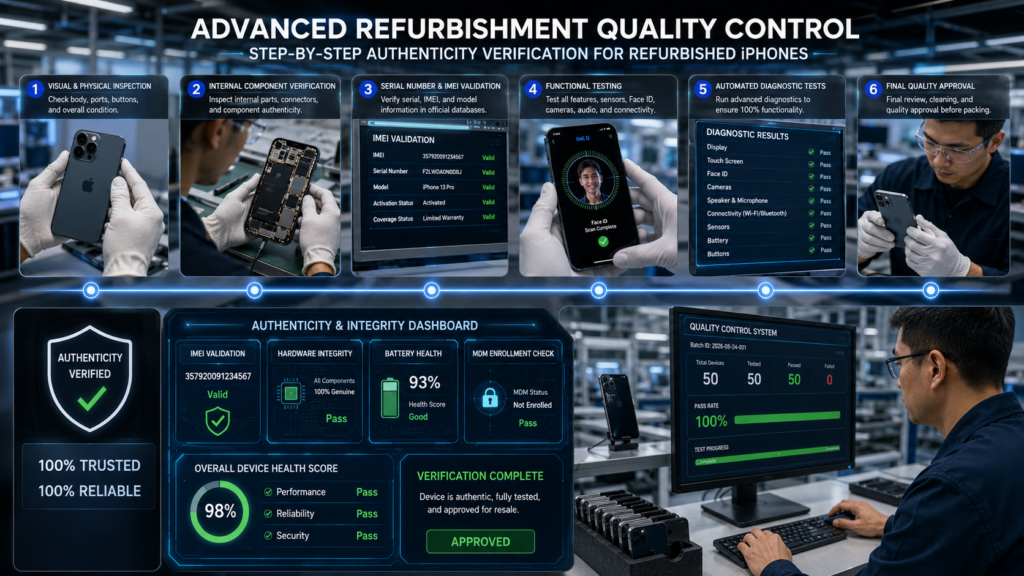
Physical diagnostics must go beyond superficial aesthetics to include a detailed inspection of internal components and connection points. Wholesalers should employ technicians to check for inconsistencies in screw heads, which often reveal unauthorized tampering, and inspect the logic board for signs of corrosion or mismatched serial numbers. The quality of the display and the battery are also critical indicators; genuine Apple displays maintain color accuracy and touch responsiveness across the entire surface, whereas counterfeit screens often show slight variations in hue or dead pixels near the edges. A rigorous physical inspection is essential to identify devices that have been poorly reassembled, a common trait of fake refurbished stock.
Software verification provides a deeper layer of security, ensuring that the iOS operating system is legitimate and not a cloned or Android-based mimic. Advanced diagnostic tools can analyze the device’s hardware configuration to confirm that the processor, modem, and touch ID sensors are communicating correctly with the operating system. In a wholesale setting, where testing hundreds of devices manually is impractical, investing in robust diagnostic stations is a necessary operational expense. These stations can run automated stress tests on the battery, CPU, and connectivity modules, providing a pass/fail report that certifies the functionality of the device. This automated approach ensures consistency and reduces the human error associated with manual testing.
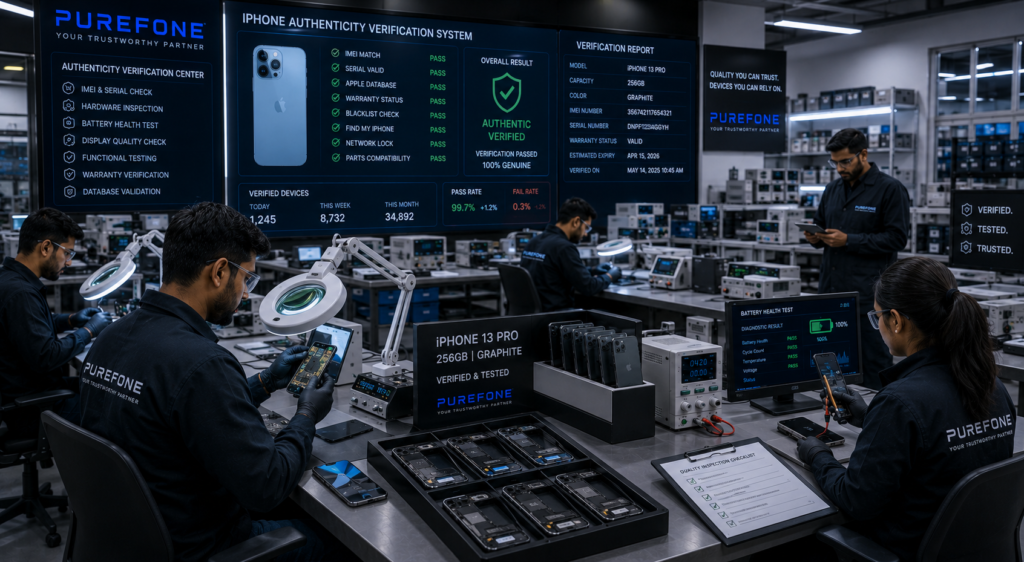
For B2B buyers focused on customization, verifying that the device can support future software updates and enterprise management protocols is vital. A fake device often fails to properly sync with Mobile Device Management (MDM) systems, rendering them useless for corporate clients. Therefore, the authenticity check must include a validation of the device’s capability to be enrolled in standard corporate deployment programs. By integrating these technical verifications into the receiving process, businesses can effectively filter out non-compliant devices. This systematic approach not only helps to avoid fake refurbished iphones but also establishes a baseline of quality that clients can rely on, reinforcing the wholesaler’s reputation for reliability.
3. Which Supplier Credentials Matter for Securing Genuine Refurbished iPhone Stock
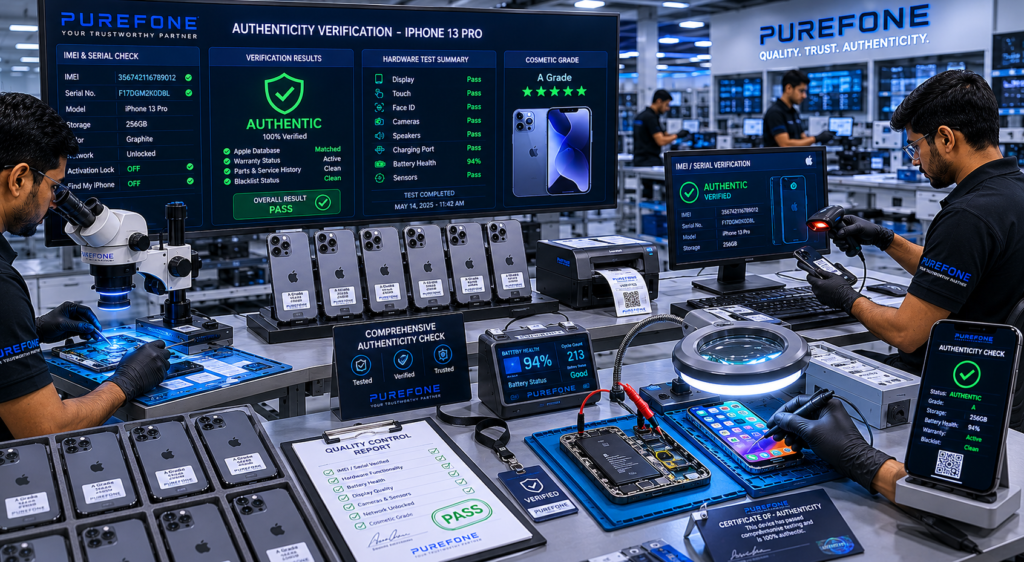
Selecting the right trading partner is arguably the most effective strategy to avoid fake refurbished iphones and secure a genuine refurbished iPhone inventory. Reputable suppliers in the wholesale space distinguish themselves by obtaining industry-recognized certifications such as ISO 9001 for quality management or R2v3 for electronics recycling and refurbishment standards. These certifications indicate that the supplier adheres to strict operational protocols, ensuring that every device passes through a documented refurbishment and testing process. Prioritizing suppliers with these credentials provides a layer of assurance that the inventory has been handled professionally and meets established quality benchmarks, helping businesses avoid fake refurbished iphones and reduce the likelihood of encountering counterfeit goods.
Transparency in the supply chain is another critical credential that buyers must demand. Reliable suppliers should be willing to provide detailed audit trails for their products, including the source of the devices and the specific parts used during refurbishment. In the B2B market, where bulk purchases are the norm, the ability to trace a lot of iPhones back to its origin is a powerful tool for risk management. Suppliers who refuse to disclose sourcing information or offer vague explanations about their inventory often have something to hide.
Establishing direct relationships with suppliers, rather than relying on intermediaries, allows for greater transparency and fosters a partnership dynamic based on mutual trust and accountability. These practices are essential for companies seeking to avoid fake refurbished iphones while maintaining inventory quality and customer satisfaction. Ultimately, businesses that conduct thorough supplier due diligence are far better positioned to avoid fake refurbished iphones and protect their long-term profitability.
Warranty and return policies serve as a financial indicator of a supplier’s confidence in their product quality. A supplier offering a comprehensive warranty specifically covering the internal components—such as the battery, motherboard, and screen—is essentially staking their reputation on the authenticity of their devices. In contrast, suppliers who offer limited warranties or refuse to cover specific hardware failures are often passing the risk of counterfeit components onto the buyer. Wholesalers looking to avoid fake refurbished iphones should negotiate contract terms that include severe penalties for the discovery of fake inventory, thereby incentivizing the supplier to maintain strict quality control. This contractual leverage is a necessary safeguard in the high-stakes wholesale electronics market.
Furthermore, the capability to offer customization services, such as laser engraving, custom packaging, or specialized software pre-loading, is a strong indicator of a supplier’s technical proficiency. Customization requires a deep understanding of the device’s hardware and software architecture, making it difficult for counterfeiters to replicate successfully. A partner who can reliably deliver high-volume, customized orders demonstrates that they possess authentic stock and the technical infrastructure to handle complex B2B requirements.
By focusing on suppliers who offer these value-added services, wholesalers can integrate quality assurance into the procurement process, ensuring that the final product is not only authentic but also tailored to the specific needs of their clients. These measures help businesses avoid fake refurbished iphones while strengthening customer trust and protecting long-term profitability.
4. How 2026 Market Insights Will Shape Bulk Procurement Strategies
Looking toward 2026, market analysts predict a significant shift in how refurbished electronics are graded and verified, driven by advancements in artificial intelligence and blockchain technology. These technological advancements are expected to automate the refurbished iphone authenticity check, utilizing machine learning algorithms to detect microscopic hardware imperfections invisible to the human eye. Wholesalers who begin integrating these AI-driven verification tools into their workflow today will be well-positioned to capitalize on the efficiency and accuracy gains of tomorrow. This technological evolution will likely set a new industry standard, making manual verification processes obsolete and raising the barrier to entry for counterfeiters.
The regulatory landscape is also anticipated to tighten, with governments worldwide implementing stricter “Right to Repair” laws and electronic waste tracking systems. These regulations will require wholesalers to maintain meticulous records of their inventory’s lifecycle, from acquisition to resale. For B2B buyers, this means that procurement strategies must evolve to prioritize compliance and documentation alongside price and volume. Suppliers who can demonstrate regulatory compliance through digital ledgers or blockchain tracking will become the preferred partners, as they offer a level of security that non-compliant competitors cannot match. Preparing for these regulatory changes now will prevent future disruptions and ensure seamless operations as new laws come into effect.
Market intelligence suggests that the price gap between new and refurbished iPhones will narrow by 2026 as component costs stabilize and consumer acceptance of refurbished technology reaches a tipping point. This shift will likely increase the volume of bulk orders as businesses and consumers alike flock to the secondary market for affordability without compromising quality. However, this increased demand will also attract more sophisticated fraud schemes, necessitating a proactive approach to procurement. Wholesalers will need to diversify their supplier base to mitigate supply chain shocks and invest in continuous staff training to keep up with the latest counterfeit techniques. Staying ahead of these trends is crucial for maintaining a competitive edge in a rapidly evolving marketplace.
Finally, the concept of “quality” in the refurbished sector is set to expand beyond mere functionality to include battery health percentages and cosmetic grading consistency. B2B clients will demand granular data regarding the condition of the inventory they purchase, requiring wholesalers to provide detailed analytical reports with every shipment. To meet this demand, procurement strategies must shift towards securing “premium” refurbished stock that guarantees high battery retention and minimal cosmetic wear. By aligning their procurement criteria with these emerging market standards, wholesalers can position themselves as leaders in quality and reliability. This forward-thinking approach ensures that the business remains resilient against market volatility and continues to deliver genuine, high-value products to its clientele.
Frequently Asked Questions
1. What are the most effective strategies to avoid fake refurbished iphones in a wholesale transaction?
The most effective strategy to avoid fake refurbished iphones is to implement a multi-layered verification process that goes beyond visual inspection. Wholesalers should prioritize establishing relationships with certified suppliers who adhere to industry standards such as R2v3 or ISO 9001. Additionally, buyers should insist on rigorous testing protocols, including IMEI validation and diagnostic software checks, before finalizing any bulk purchase. Combining supplier vetting with technical verification creates a robust defense against counterfeit inventory entering the supply chain.
2. How can I perform a reliable refurbished iphone authenticity check on bulk inventory?
To perform a reliable refurbished iphone authenticity check, start with batch processing the IMEI or Serial Numbers through Apple’s GSX database to verify activation status and warranty. This should be followed by physical inspections of internal components, such as checking logic board serial numbers and screw conditions for signs of tampering. Finally, utilize automated diagnostic stations to stress-test the processor, battery, and connectivity modules. This three-tiered approach ensures that the devices are genuine and fully functional before they are accepted into inventory.
3. Why is it critical to source a genuine refurbished iphone rather than a cheaper alternative for B2B clients?
Sourcing a genuine refurbished iphone is critical because B2B clients rely on device reliability for their daily operations and reputation. Counterfeit or poorly refurbished devices often have high failure rates, incompatible components, and security vulnerabilities that can lead to data breaches or operational downtime. Furthermore, genuine devices retain their resale value longer and comply with enterprise management protocols like MDM enrollment. Investing in authentic stock protects the wholesaler’s reputation and ensures client satisfaction in the long run.
4. What specific certifications should a supplier have to ensure they are selling authentic stock?
Suppliers should possess certifications such as ISO 9001, which demonstrates a commitment to quality management systems, and R2v3 (Responsible Recycling), which sets stringent standards for electronics refurbishment and data sanitization. These credentials indicate that the supplier follows documented procedures for testing and repairing devices. A supplier holding these certifications is far more likely to provide genuine refurbished iphone inventory compared to unverified vendors operating without oversight.
5. How will 2026 market trends impact the way wholesalers verify iPhone authenticity?
By 2026, market trends indicate that AI-driven verification tools and blockchain tracking will become standard industry practices for detecting counterfeit electronics. Wholesalers will need to adopt these technologies to automate the detection of microscopic hardware imperfections and to secure transparent audit trails for their inventory. As regulations tighten around electronic waste and “Right to Repair” laws, the ability to prove the authenticity and lifecycle of a device will become a mandatory requirement for doing business.
6. What are “Frankenstein” phones and why are they a significant risk in the bulk market?
“Frankenstein” phones are counterfeit devices constructed by combining authentic components, such as a logic board, with fake parts, such as replica screens or chassis. They pose a significant risk because they can pass a basic IMEI check, appearing legitimate on paper while suffering from hardware instability and poor performance. In a wholesale context, these devices can lead to massive financial losses and returns, as they often fail shortly after reaching the end-user due to the incompatibility of the mixed components.
7. Does the ability to offer customization services indicate a more reliable supplier?
Yes, the ability to offer customization services, such as laser engraving or specialized software pre-loading, is a strong indicator of a reliable supplier. Customization requires a deep understanding of the device’s architecture and access to genuine diagnostic tools, which counterfeiters typically lack. Suppliers who can handle complex, high-volume customization orders are more likely to possess authentic stock and the technical expertise needed to deliver a genuine refurbished iphone that meets specific B2B requirements.
8. Why is checking the IMEI number not enough on its own when buying in bulk?
While checking the IMEI number is a vital first step, it is not sufficient on its own because it only verifies the device’s registration status, not its physical condition or internal integrity. Scammers can clone IMEIs or use genuine logic boards housed in fake casings to bypass this check. A comprehensive approach is necessary to avoid fake refurbished iphones, requiring physical diagnostics of the battery, screen, and motherboard to ensure the hardware matches the software data provided by the IMEI lookup.
9. How do warranty terms differ between suppliers of real versus counterfeit refurbished devices?
Suppliers of real, high-quality refurbished devices typically offer comprehensive warranties that cover internal components like the battery, motherboard, and screen for an extended period. In contrast, suppliers of counterfeit or low-quality devices often offer limited warranties that exclude hardware failures or provide very short coverage windows. A robust warranty is a financial signal that the supplier stands behind their refurbished iphone authenticity check processes and is confident in the quality of their inventory.
10. What role does battery health play in determining the value of a refurbished iPhone?
Battery health is a primary determinant of a refurbished iPhone’s value and functionality, as it directly impacts the device’s longevity and user experience. In the B2B market, clients demand devices with high battery retention rates to ensure productivity without frequent charging. As 2026 market insights suggest, grading standards will become stricter regarding battery performance. Wholesalers must prioritize stock with excellent battery health to meet enterprise expectations and maximize their return on investment.


