
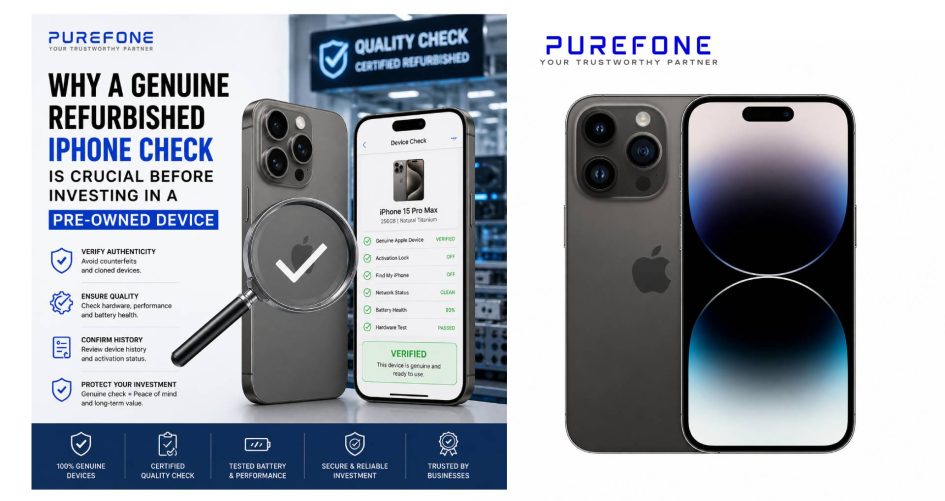
1. Why the Global Market Requires a Genuine Refurbished iPhone Check
The secondary mobile device market has experienced exponential growth, driven by economic factors and a shift toward sustainability. As we progress through 2025, industry data indicates that the refurbished smartphone market is projected to grow at a Compound Annual Growth Rate (CAGR) of over 10%, with specific demand surges in the B2B sector. For wholesalers and bulk purchasers, this represents a significant revenue opportunity, but it also introduces substantial risk. The sheer volume of devices entering the supply chain means that the probability of encountering counterfeit or misrepresented hardware increases exponentially. Consequently, implementing a rigorous genuine refurbished iPhone check is no longer an optional precaution but a fundamental business necessity to safeguard capital and maintain reputation.
For wholesale buyers, the stakes are uniquely high compared to individual consumers. A single bulk purchase containing non-authentic devices can wipe out profit margins and sever relationships with downstream partners. The complexity of the modern supply chain, often involving multiple brokers and refurbishers across different jurisdictions, makes it easy for low-quality “refurbished” devices—often assembled with fake screens or non-original batteries—to infiltrate inventory. Conducting a genuine refurbished iPhone check serves as the primary filter against these contaminants. It ensures that the capital invested is secured by assets that hold actual market value and functionality, rather than depreciating scrap parts disguised as premium electronics.
Furthermore, the definition of “refurbished” has become somewhat diluted in various markets, creating a confusing landscape for buyers. Some devices sold as refurbished are merely cleaned and reset used phones with significant underlying wear and tear, while others are restored to like-new condition using original equipment manufacturer (OEM) standards. Distinguishing between these categories requires a technical deep dive that goes beyond surface-level inspection. A comprehensive genuine refurbished iPhone check provides the technical due diligence needed to verify that a device meets the high standards expected by professional clients and corporate end-users, thereby preventing the misallocation of resources on inferior stock.
Looking ahead to 2026, market insights suggest that regulatory scrutiny on electronic waste and consumer protection laws will tighten globally. Governments are beginning to enforce stricter standards regarding the sale of used electronics, requiring proof of authenticity and safety compliance. Wholesale businesses that proactively adopt thorough verification processes now will be better positioned to comply with these future regulations. By treating the genuine refurbished iPhone check as a standard operating procedure, businesses not only protect their current inventory but also future-proof their supply chains against upcoming legal and compliance hurdles in the international trade of pre-owned technology.
1.1 Why Counterfeit Risks Threaten Wholesale Margins
The sophistication of counterfeit operations has evolved significantly, posing a severe threat to wholesale margins. Modern counterfeit iPhones often feature convincing exteriors and bootleg operating systems that mimic iOS functionality, making them nearly impossible to detect without specialized diagnostic tools. When wholesalers fail to perform a genuine refurbished iPhone check, they risk paying premium prices for devices that are essentially worthless. This discrepancy between purchase price and actual value erodes profit margins instantly. In the high-volume, low-margin environment of wholesale trading, even a small percentage of counterfeit devices in a shipment can turn a profitable quarter into a financial loss, destabilizing cash flow and operational stability.
1.2 How Consumer Trust Drives the Need for Verification
In the B2B ecosystem, the end consumer’s trust is the ultimate currency. Wholesalers supply retailers and enterprise clients who rely on the assurance that the devices they purchase are functional and authentic. If a downstream retailer receives a batch of iPhones that fail due to lack of a genuine refurbished iPhone check, the blame travels back up the supply chain. This loss of trust is difficult and expensive to rebuild. B2B buyers must understand that verification is a value-added service they offer to their partners. By guaranteeing authenticity through strict checks, wholesalers solidify their reputation as reliable suppliers, fostering long-term business relationships that are essential for sustained growth.
1.3 Which 2025 Market Statistics Highlight the Surge in Pre-Owned Sales
Recent industry reports from 2025 highlight a pivotal shift in device procurement strategies. Statistics reveal that nearly 70% of businesses now consider certified pre-owned devices as their primary strategy for fleet management and hardware upgrades, citing cost efficiency as the driving factor. Additionally, the global refurbished iPhone market share is expected to capture a dominant portion of the secondary market by 2026. These statistics underscore the critical nature of quality control; as demand rises, the influx of substandard devices attempting to capitalize on this trend will inevitably rise as well. Wholesale buyers must utilize data-driven strategies, including every genuine refurbished iPhone check, to filter inventory effectively.
2. How a Certified Refurbished iPhone Guarantees Business Reliability
The concept of a “certified refurbished iphone” extends beyond a simple marketing label; it represents a comprehensive ecosystem of testing, repair, and quality assurance. For a B2B buyer, sourcing certified devices ensures a baseline of reliability that uncertified inventory cannot match. The certification process involves a multi-stage diagnostic procedure that assesses battery health, screen integrity, and logic board functionality. By prioritizing certified refurbished iphone stock, wholesalers can confidently assure their clients that every unit has undergone rigorous scrutiny. This level of reliability is paramount for businesses that cannot afford the operational downtime caused by device failures, particularly when deploying hardware across large teams or resale networks.
Customization is a key requirement for many wholesale clients, such as corporate branding, specific OS configurations, or kiosk locking. Attempting to customize a device that has not been properly vetted is a recipe for disaster. A certified refurbished iphone provides a stable platform for such modifications. If the underlying hardware is compromised or counterfeit, customization processes like firmware updates or corporate enrollment profiles may fail, leading to increased returns and technical support costs. Therefore, the certification acts as a gateway that ensures the device is robust enough to withstand further customization and heavy usage, making it a superior choice for B2B procurement managers looking to add value to their hardware before final distribution.
Furthermore, the consistency offered by certified devices allows for more accurate inventory forecasting and asset management. When a wholesaler invests in a batch of certified refurbished iphone units, they can reasonably predict the longevity and performance lifecycle of those assets. This predictability is crucial for structuring warranty offers and service level agreements (SLAs) with customers. Non-certified devices introduce wild variables into performance metrics, making it nearly impossible to offer competitive warranty terms without incurring significant liability risks. By adhering to certified standards, businesses can standardize their product offerings, streamline their logistics, and reduce the overhead costs associated with managing unpredictable inventory quality.
The market trajectory leading into 2026 suggests that the gap between certified and non-certified devices will widen in terms of residual value. Data indicates that certified refurbished iphone models retain a much higher resale value compared to their “as-is” counterparts. For wholesalers, this means that investing in certified inventory is not just about immediate sales but about holding assets that depreciate slower. In an economic climate where asset liquidity is crucial, holding certified stock provides a financial buffer. Businesses that understand this dynamic will prioritize certification, recognizing that the initial higher acquisition cost is offset by the faster turnover and higher resale potential of premium, verified stock.
2.1 How Diagnostic Software Identifies Hidden Hardware Flaws
Diagnostic software is the backbone of the certification process, revealing issues that are invisible to the naked eye. Tools used to generate a certified refurbished iphone report analyze critical metrics such as touch sensitivity, pixel response rates, and sensor calibration. For a wholesaler, relying on these automated diagnostics removes human error from the inspection process. It ensures that hidden flaws—like a degrading battery that charges to 100% but drops rapidly, or a face ID module that is intermittently functional—are identified before the unit is approved for bulk sale. This technological layer of verification is essential for maintaining the high standards expected in the professional market.
2.2 Why Cosmetic Grading Standards Matter for Bulk Orders
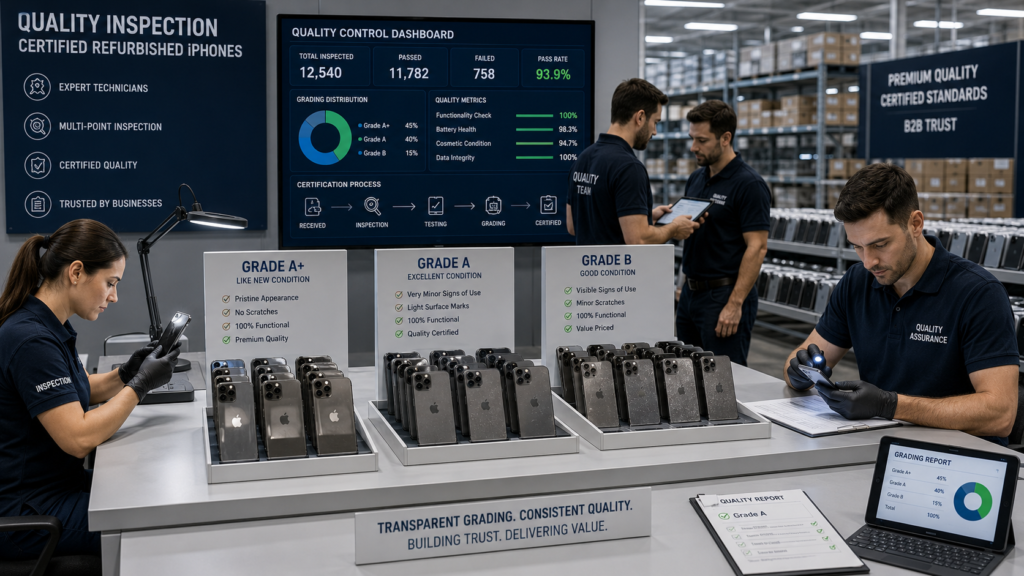
While functionality is critical, cosmetic condition determines marketability and price tiers in the wholesale channel. A certified refurbished iphone is typically graded meticulously (e.g., Grade A+, Grade A, Grade B), providing buyers with a clear expectation of the device’s physical appearance. Inconsistency in cosmetic grading is a major source of disputes in B2B transactions. If a bulk order arrives with devices showing deep scratches or dents that were not disclosed, it disrupts the buyer’s sales cycle. Strict adherence to cosmetic grading standards ensures that the product matches the description, reducing friction between suppliers and buyers and ensuring that the end product meets the aesthetic expectations of the final consumer.
2.3 Which Components Must Be Verified During Certification
The integrity of specific components defines the lifespan of a mobile device. During the certification of a certified refurbished iphone, particular attention must be paid to the battery, the screen, and the rear cameras. These are the components most prone to wear and the most frequently replaced with non-OEM parts. A refurbished iphone authenticity check must confirm that these parts are either original Apple components or high-quality OEM equivalents that meet performance standards. Failing to verify these specific elements leads to high failure rates post-sale. For B2B buyers, ensuring that these high-stress components are verified is the difference between a satisfied customer and a return request.
3. Which Tools and Techniques Define a Robust Refurbished iPhone Authenticity Check
Performing a refurbished iphone authenticity check requires a sophisticated blend of hardware tools and software utilities. For wholesalers processing large volumes, manual inspection is insufficient. The most effective tools include advanced IMEI lookup services that provide instant device history, including activation lock status, warranty eligibility, and carrier blacklisting. These databases are the first line of defense, ensuring that the device’s digital identity matches its physical condition. Integrating these API-based tools into the procurement workflow allows businesses to automate the initial screening of bulk orders, flagging any units with suspicious histories immediately. This efficiency is vital for maintaining the rapid turnaround times required in the competitive wholesale electronics market.
Beyond digital lookups, physical inspection technologies play a pivotal role in the refurbished iphone authenticity check. Specialized equipment can detect non-original screens by analyzing color gamut, brightness levels, and touch controller serial numbers. Some advanced counterfeit screens look nearly identical to Retina displays but fail under spectral analysis or pressure testing. Wholesale distributors must equip their quality control teams with these diagnostic tools to distinguish between original Apple displays and high-quality replicas. This level of scrutiny is particularly important when customization is involved, as third-party screens often fail to render overlays or branding elements correctly, undermining the final product quality that the business intends to deliver.
Software integrity is another critical dimension of the refurbished iphone authenticity check. Unscrupulous refurbishers may attempt to bypass security features or install “ghost” software that mimics iOS functionality on inferior hardware. Tools that verify the cryptographic signature of the iOS installation and check for jailbreak indicators are essential. A device that has been tampered with at the software level poses a significant security risk, especially for B2B clients intending to use these devices in corporate environments. Ensuring that the operating system is genuine and uncorrupted protects the buyer from potential security breaches and ensures that the device can receive future updates, maintaining its utility and security posture over time.
As we look toward 2026, the integration of AI-driven visual inspection is set to revolutionize the refurbished iphone authenticity check process. Machine learning algorithms are becoming capable of identifying microscopic inconsistencies in screws, port alignments, and texture finishes that human inspectors might miss. For wholesale operations, adopting these AI solutions will further reduce the risk of counterfeit infiltration. The ability to scale verification processes without sacrificing accuracy is the holy grail of wholesale procurement. By investing in these advanced verification technologies now, businesses position themselves to handle increasing volumes of trade with confidence, ensuring that every unit passing through their warehouse meets the strictest criteria of authenticity.
3.1 Why IMEI and Serial Number Analysis is Indispensable
The IMEI and serial number are the DNA of an iPhone. A thorough refurbished iphone authenticity check always begins here. Cross-referencing these numbers against Apple’s global database reveals the true origin of the device. It can uncover if a device was reported lost, stolen, or if it is still tied to a previous iCloud account. For wholesalers, purchasing a device with an active iCloud lock is essentially buying a paperweight. IMEI analysis also verifies that the model number corresponds to the hardware specifications, preventing scenarios where a lower-tier model is re-cased to look like a premium flagship model. This step is non-negotiable for ensuring the legitimacy of the inventory.
3.2 How Third-Party Verification Services Streamline Wholesale Procurement
Managing in-house verification for massive bulk orders can be resource-intensive. This is where third-party verification services become a strategic asset. These specialized firms focus exclusively on the refurbished iphone authenticity check, offering neutral and standardized reporting. For a B2B buyer, utilizing an independent third party adds a layer of trust to the transaction. It provides an objective arbiter of quality, which can be crucial when negotiating prices or resolving disputes with suppliers. Outsourcing this function allows wholesale businesses to focus on sales and distribution while relying on experts to handle the technical intricacies of quality assurance.
3.3 Which Physical Inspection Protocols Prevent Fraudulent Shipments
Physical inspection protocols must be standardized and rigorous to prevent fraud. This involves checking for specific “tell-tale” signs of tampering, such as misaligned bezels, incorrect screw types in the internal chassis (visible via opening), and the weight of the device. Counterfeit devices often feel lighter or have a different center of gravity. A robust refurbished iphone authenticity check includes a checklist of these physical attributes. Verifying the functionality of haptic feedback, the distinct “click” of the switches, and the acoustics of the speakers can also reveal non-original components. These tactile inspections, when combined with digital diagnostics, create a comprehensive barrier against fraudulent shipments entering the wholesale supply chain.
4. How Customization and Quality Assurance Intersect in the Wholesale Sector
Customization is a major differentiator in the wholesale mobile phone market, allowing resellers to offer unique products to specific niches. However, successful customization is entirely dependent on the quality of the base device. A business cannot effectively engrave logos, apply custom skins, or pre-load specialized software on a device that fails a genuine refurbished iphone check. If the underlying hardware is flawed, the customization efforts will be wasted, as the device will likely fail shortly after reaching the consumer. Therefore, quality assurance is not a step that happens before customization; it is an integral part of the customization workflow, ensuring that the investment in branding and modification yields a viable, high-quality end product.
In the B2B realm, customization often goes beyond aesthetics and involves deep integration with corporate systems. Devices may need to be configured with Mobile Device Management (MDM) profiles, VPN settings, or specific security applications. These processes require a device with a pristine logic board and authentic firmware. A device that has passed a stringent genuine refurbished iPhone check ensures that these enterprise-level integrations will function smoothly without instability or conflicts. For wholesalers serving the enterprise market, the ability to guarantee that customized devices will perform reliably in a secured corporate environment is a key selling proposition that justifies higher price points and fosters client loyalty.

Moreover, the trend of “corporate gifting” and promotional merchandise using high-end tech is on the rise. Companies are increasingly opting to gift customized iPhones rather than generic items. For a wholesaler, tapping into this market requires a flawless product. A genuine refurbished iPhone check provides the assurance that the device will not embarrass the client by malfunctioning or showing signs of previous heavy usage. The prestige associated with the iPhone brand is maintained only when the device is in perfect working condition. Thus, the intersection of quality assurance and customization is where value is created, transforming a simple used phone into a premium, branded asset that commands a premium in the B2B marketplace.
Looking toward 2026, we anticipate a surge in demand for region-specific customization, such as pre-installed language packs, localized accessories, and region-specific connectivity configurations. Wholesalers who have mastered the integration of QA and customization will be best positioned to capitalize on this trend. By ensuring every unit passes a genuine refurbished iPhone check before undergoing these complex modifications, businesses can minimize the risk of technical conflicts that arise from hardware inconsistencies. This strategic approach to inventory management ensures that customized products are not just visually distinct but are also engineered to perform flawlessly in their target markets.
4.1 Why Authentic Base Units are Essential for Successful Customization
Customizing a compromised device is a futile exercise. Engraving a logo on a phone with a fake screen or a dying battery creates a negative impression of the brand associated with that logo. Authentic base units, verified by a genuine refurbished iPhone check, provide the structural integrity needed for physical modifications like laser engraving or hydro-dipping. Furthermore, genuine components ensure that thermal performance remains within safe limits, which is crucial when devices are subjected to the stress of software customization or continuous enterprise usage. Ensuring the authenticity of the base unit is the foundational step that guarantees the longevity and effectiveness of any subsequent customization work.
4.2 How 2026 Market Insights Predict a Rise in Branded Pre-Owned Devices
Market forecasts for 2026 suggest a significant shift toward branded pre-owned devices as a legitimate luxury segment. As sustainability becomes a core corporate value, prestigious brands are entering the refurbished space, offering certified pre-owned devices as part of their product lineup. This trend elevates the importance of the genuine refurbished iPhone check. To compete in this emerging segment, wholesalers must adhere to the highest standards of verification, essentially matching the rigor of original manufacturers. The ability to provide “white-label” refurbished devices that are ready for branding by third parties will become a highly lucrative niche, driven by consumer demand for sustainable yet premium technology options.
4.3 Which Customization Options Increase Value for Certified Devices
Not all customization adds value, but the right options can significantly boost the profitability of certified inventory. For a certified refurbished iphone, high-value customizations include upgrading battery capacity beyond original specs (where legally permissible), applying high-grade protective films that preserve the “like-new” condition, and bundling with certified accessories. B2B buyers value these enhancements because they allow for tiered pricing strategies. A certified refurbished iphone that comes with a new charging cable, a protective case, and a one-year warranty is far more attractive to a corporate procurement officer than a loose device. Strategic customization, built upon a foundation of rigorous quality assurance, is the most effective way to maximize margins in the wholesale market.
Conclusion
Investing in the pre-owned mobile market offers substantial rewards, but these rewards are contingent on the rigorous implementation of verification processes. A genuine refurbished iPhone check is the cornerstone of a successful wholesale strategy, protecting against counterfeit risks, ensuring technical reliability, and facilitating high-value customization. As the market evolves toward 2026, the distinction between verified, certified devices and unverified inventory will become the defining factor for business success. By prioritizing a refurbished iphone authenticity check and leveraging the reliability of a certified refurbished iphone, B2B buyers can secure their supply chains, enhance their brand reputation, and capitalize on the growing demand for quality pre-owned technology.
Frequently Asked Questions
1. Why is a genuine refurbished iPhone check critical for wholesale buyers?
A genuine refurbished iPhone check is essential for wholesale buyers because it safeguards profit margins against the infiltration of counterfeit devices. In the high-volume B2B sector, even a small percentage of inauthentic devices in a bulk shipment can result in significant financial loss and damage to business relationships. This verification process ensures that the capital invested secures assets with actual market value and functional integrity, rather than worthless replicas or devices assembled with substandard components.
2. How does a certified refurbished iPhone differ from a standard used device?
A certified refurbished iPhone undergoes a rigorous, multi-stage diagnostic and restoration process that standard used devices do not receive. This includes thorough testing of the battery, screen, logic board, and cameras, often accompanied by the replacement of worn parts with original or high-quality OEM equivalents. For B2B buyers, certification guarantees a baseline of reliability and cosmetic consistency that is necessary for enterprise deployment and resale, unlike “as-is” devices which may carry hidden defects.
3. What tools are required for an effective refurbished iPhone authenticity check?
An effective refurbished iPhone authenticity check requires a combination of advanced software utilities and hardware diagnostic tools. Essential tools include IMEI lookup services to check device history and blacklisting status, spectral analysis tools to detect non-original screens, and software that verifies the cryptographic signature of the iOS installation. These tools help wholesalers identify sophisticated counterfeits and ensure that the device’s hardware and software components are authentic and fully functional.
4. Why is the IMEI number vital during the verification process?
The IMEI (International Mobile Equipment Identity) number serves as the digital DNA of the device and is indispensable for any genuine refurbished iPhone check. Cross-referencing the IMEI with global manufacturer databases reveals the device’s origin, activation lock status, and whether it has been reported lost or stolen. For wholesalers, this step prevents the procurement of locked or blacklisted units that are functionally useless, ensuring inventory remains liquid and compliant with carrier regulations.
5. How does the quality of the base unit affect customization options?
The success of any customization, such as corporate branding, laser engraving, or Mobile Device Management (MDM) enrollment, relies heavily on the quality of the base unit. Devices that have not passed a genuine refurbished iPhone check may have logic board issues or non-original screens that fail under the stress of software modifications. By verifying the device’s integrity first, wholesalers ensure that the customization process is stable and that the final product maintains the premium feel expected by professional clients.
6. What are the risks of skipping the verification process in a wholesale supply chain?
Skipping the refurbished iPhone authenticity check exposes wholesale businesses to severe risks, including inventory devaluation, legal liability, and reputational harm. Without verification, buyers risk distributing devices with counterfeit parts that may pose safety hazards or fail shortly after sale. This leads to increased return rates, disputes with downstream partners, and a loss of consumer trust that can be difficult to recover in the competitive B2B market.
7. Which specific components must be scrutinized during a certified refurbished iPhone inspection?
During the inspection of a certified refurbished iPhone, specific components such as the battery, display, and rear cameras require the highest level of scrutiny. These high-wear items are frequently replaced with inferior third-party parts that can degrade quickly. Authentic verification ensures that these critical components meet OEM performance standards, which is vital for maintaining device longevity and ensuring the end-user experience matches that of a new device.
8. How are 2025 and 2026 market trends influencing the need for strict verification?
Market trends leading into 2025 and 2026 indicate a surge in demand for pre-owned devices, accompanied by stricter regulatory scrutiny regarding electronic waste and consumer protection. As the market grows, so does the sophistication of counterfeit operations. Consequently, a genuine refurbished iPhone check is becoming a compliance necessity rather than just a quality control measure, helping businesses adhere to future regulations and meet the rising standards of corporate procurement departments.
9. Can third-party verification services benefit wholesale procurement strategies?
Yes, utilizing third-party verification services can significantly streamline wholesale procurement by providing an objective, standardized layer of quality assurance. These services specialize in the refurbished iPhone authenticity check, using advanced tools and expertise to identify issues that in-house teams might miss. For B2B buyers, third-party verification acts as a trust mechanism in transactions, facilitating smoother negotiations and reducing the administrative burden of inspecting massive bulk orders.
10. How does proper verification enhance the residual value of wholesale inventory?
Proper verification through a genuine refurbished iPhone check enhances the residual value of inventory by ensuring that all devices are in optimal condition and fully authentic. Certified, verified devices command higher prices in the secondary market and depreciate slower than uncertified stock. For wholesalers, this means improved inventory turnover rates and the ability to offer competitive warranty terms, ultimately maximizing the return on investment for every unit sold.


